| Jan 08, 2026
Setting up a new aquarium is exciting, but before adding fish, one critical step should never be skipped: tank cycling. At Uncle Bill’s Pet Centers, we often help customers troubleshoot issues that come from adding fish too quickly. Understanding the nitrogen cycle is the key to creating a healthy, stable aquarium from the start.
What Is the Nitrogen Cycle?
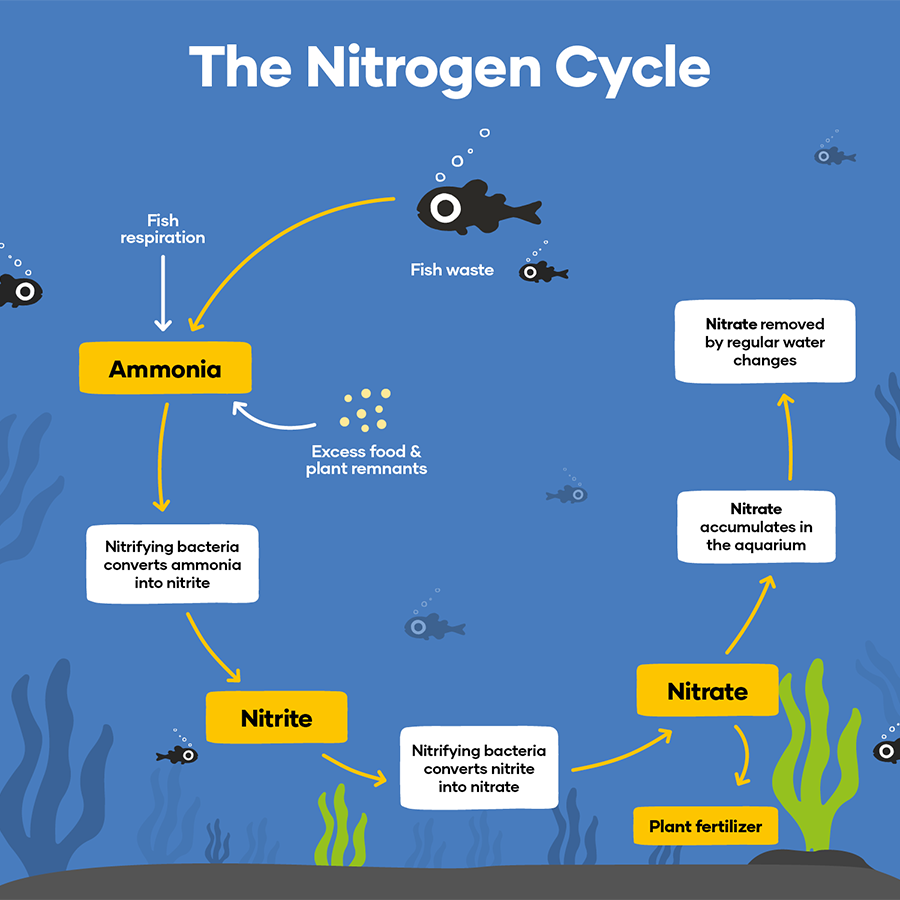
The nitrogen cycle is the natural biological process that breaks down fish waste in an aquarium. Fish produce waste, leftover food decays, and plants shed organic material—all of which create ammonia, a highly toxic substance. In a healthy aquarium, beneficial bacteria convert ammonia into less harmful compounds through a three-step process:
Ammonia → Nitrite: Beneficial bacteria develop that consume ammonia and convert it into nitrite, which is still toxic to fish.
Nitrite → Nitrate: A second group of bacteria then converts nitrite into nitrate, which is much safer.
Nitrate Removal: Nitrates are controlled through regular water changes and live plants.
 What Is Tank Cycling?
Tank cycling is the process of establishing these beneficial bacteria before fish are added. During a fishless cycle, an ammonia source is introduced to feed bacteria while the tank runs empty. Over several weeks, the bacteria colonies grow strong enough to safely process waste once fish are introduced.
Why the Nitrogen Cycle Matters
Without a completed nitrogen cycle, ammonia and nitrite can build up quickly, causing stress, illness, or even death in fish. A fully cycled tank supports healthier fish, brighter colors, better growth, and more natural behavior.
How to Tell When Your Tank Is Cycled
Using a water test kit, your aquarium is considered cycled when ammonia and nitrite levels read zero, and nitrate is present. Fish should always be added slowly to avoid overwhelming the biological filter.
We’re Here to Help
Understanding the nitrogen cycle may seem complicated at first, but it’s the foundation of successful fishkeeping. Stop by Uncle Bill’s Pet Centers for water test kits, bottled beneficial bacteria, and expert advice to help you cycle your aquarium with confidence. A little patience now leads to a thriving aquarium for years to come.